
No products in the cart.: ₦0.00
Shop Vmax Products & Save Up To 15% Off!
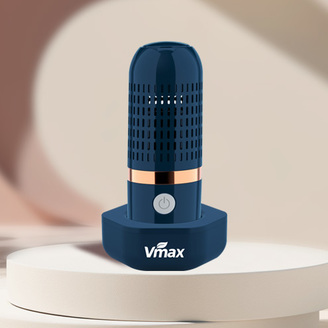
₦90,000.00
• High efficiency in pollutant degradation with no chemical residues.
• Applicable to gaseous, liquid, and solid pollutants.
• Environmentally safe end products.
• Water Treatment: Degrades pesticide residues and pharmaceuticals, disinfects water.
• Surface Sanitization: Residue-free disinfection for medical devices and food processing equipment.
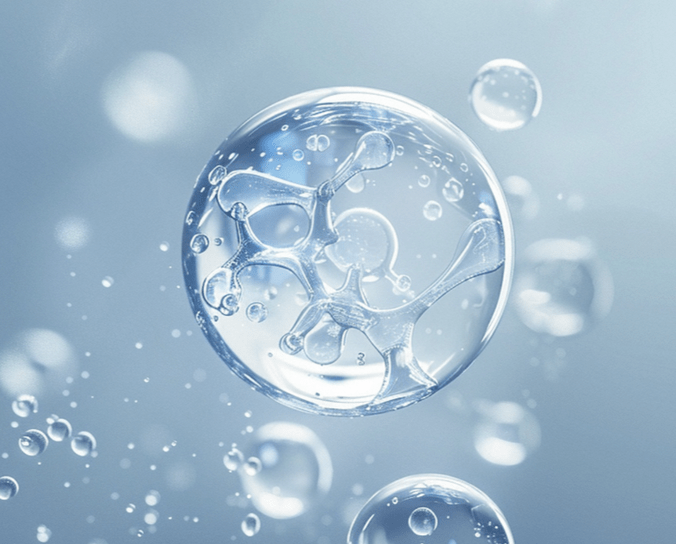
Redox potential of 2.8 V (second only to fluorine), enabling rapid breakdown of organic molecular structures.
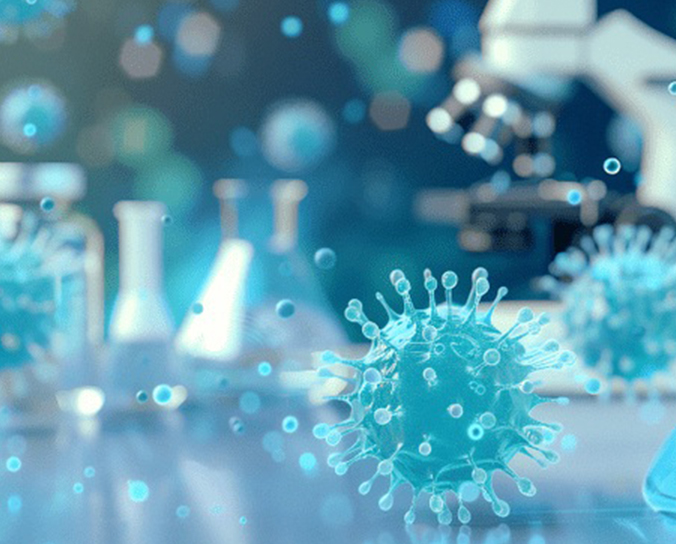
Reacts with nearly all organic compounds (e.g., VOCs, bacteria, pesticide, viruses, odor molecules).
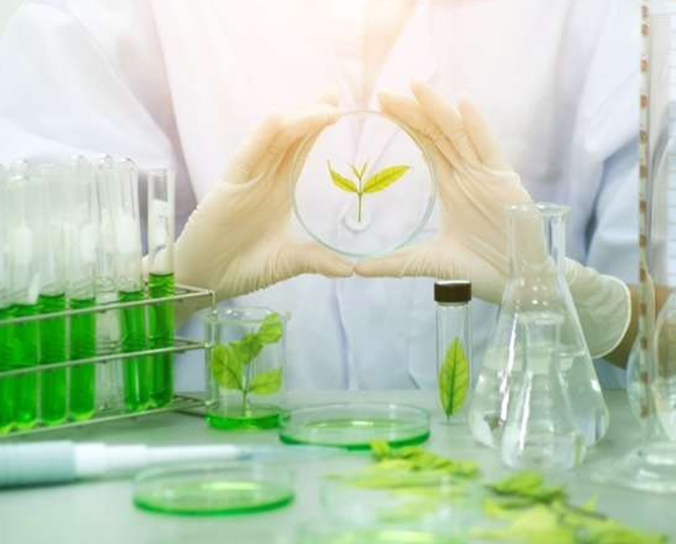
Final reaction products are harmless substances like water (H2O) and carbon dioxide (CO2), avoiding secondary pollution.
Redox potential of 2.8 V (second only to fluorine),
enabling rapid breakdown of organic molecular structures.
Destroys cell membranes or protein structures of bacteria and viruses,
rendering them inactive
Degrades malodorous molecules like hydrogen sulfide
(H₂S) and ammonia (NH₃).
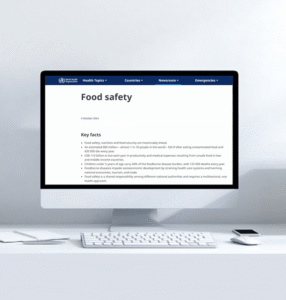
WHO reports ~600 million annual cases of food borne illnesses (420,000 deaths); pesticide exposure contributes to ~200,000 acute poisoning deaths yearly (primarily in developing countries).
1. Bacterial contamination: Causes acute illness, with life-threatening risks in severe cases.
2. Pesticide residues: Long-term exposure leads to cancer, neurotoxicity, and endocrine disruption.
Symptoms such as nausea, vomiting, diarrhea, and fever within hours of ingestion; severe cases may lead to dehydration, shock, or death.
Hemolytic uremic syndrome (HUS, linked to E. coli), meningitis (from Listeria), or chronic gastrointestinal damage.
Pregnant women infected with Listeria may miscarry; children, the elderly, and immunocompromised individuals face exacerbated symptoms.
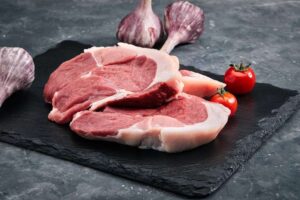
Undercooked poultry, pork, or beef; cross-contamination (e.g., using the same cutting board for raw and cooked foods).

Contamination from fecal fertilizers, polluted irrigation water, or unsanitary processing.
Inhibit acetylcholinesterase, causing dizziness, convulsions, and
potential neurodegenerative disorders with chronic exposure.
Disrupt endocrine function, potentially impairing fertility.
Classified as a “probable carcinogen” (Group 2A)
by the International Agency for Research on Cancer (IARC);
long-term exposure may increase lymphoma risk.
Excessive residues may harm the liver and immune system

◉ Acute poisoning: High-dose ingestion leads to respiratory distress, seizures, or death (common in occupational exposure).
◉ Chronic effects
● Carcinogenicity: Certain pesticides are linked to liver cancer and breast cancer (e.g., DDT, an organochlorine pesticide).
● Developmental toxicity: Prenatal exposure may cause fetal malformations or intellectual delays.
● Endocrine disruption: Pyrethroids mimic estrogen, contributing to early puberty in children or adult infertility.
● Immunosuppression: Weakens resistance to infections and allergies.



| Brand | Vmax |
|---|
I’ve been using the VMAX Produce & Meat Purifier for a few weeks now, and I’m amazed at the difference. My fruits and vegetables feel cleaner, and I have total peace of mind about the meat I use in my meals. It’s simple, effective, and now an essential in my kitchen. - Chioma 54, Abuja


Be the first to review “Vmax Produce and Meat Purifier”